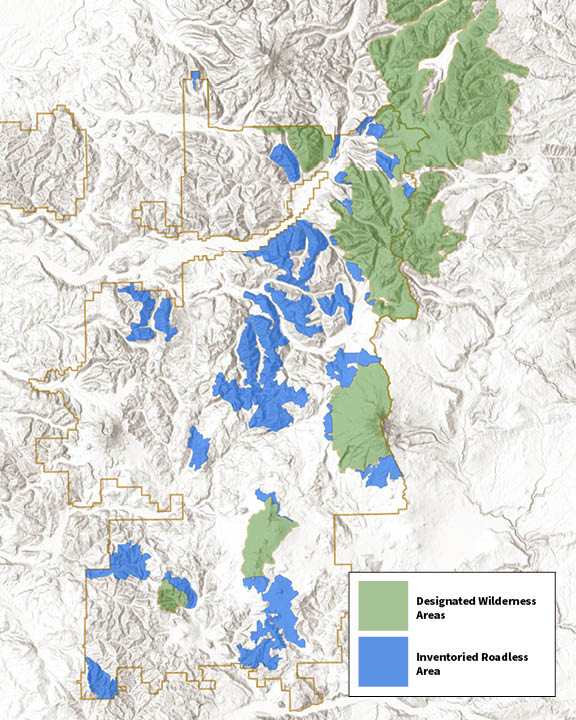
The Trump Administration plans to reverse protections for 44.7 million acres of critical wildlife habitat and remote backcountry throughout the nation’s national forest system—including 212,629 acres of Inventoried Roadless Areas in the Gifford Pinchot National Forest.
Speak up for Inventoried Roadless Areas by October 6th.
We need as many people as possible to go on record opposing the reversal of the Roadless Rule before 11:59pm EST on October 6.
Use the link below to submit offical comments in favor of keeping the Roadless Rule. And remember, your comments have a much bigger impact when you add an individual note about why you care about wild forests protected by the Roadless Area Conservation Rule.
Here are some questions to help get you started on making your comment personal:
- What’s your personal connection to these places, or a particular roadless place, and what values are important to you?
- What type of recreation do you enjoy in roadless areas?
- Are you worried about increased fire starts since 85% of fires are human caused and most fire starts are within 1.25 miles of a road?
- Are you worried about impacts to clean water and aquatic species since roads can have numerous detrimental impacts to waterways?
- Are you worried about the impacts on species that need large, undisturbed areas?
Roadless Areas Provide:
Areas of large, connected wildlife habitat for wide-ranging and road-wary wildlife species.
more than 11,000 climbing routes, 43,000 miles of trails, 20,000 miles of mountain bike trails, and 1,000 white water routes in beautiful backcountry.
Healthy forests and streams providing clean air and water.
The Importance of Preserving Wildness
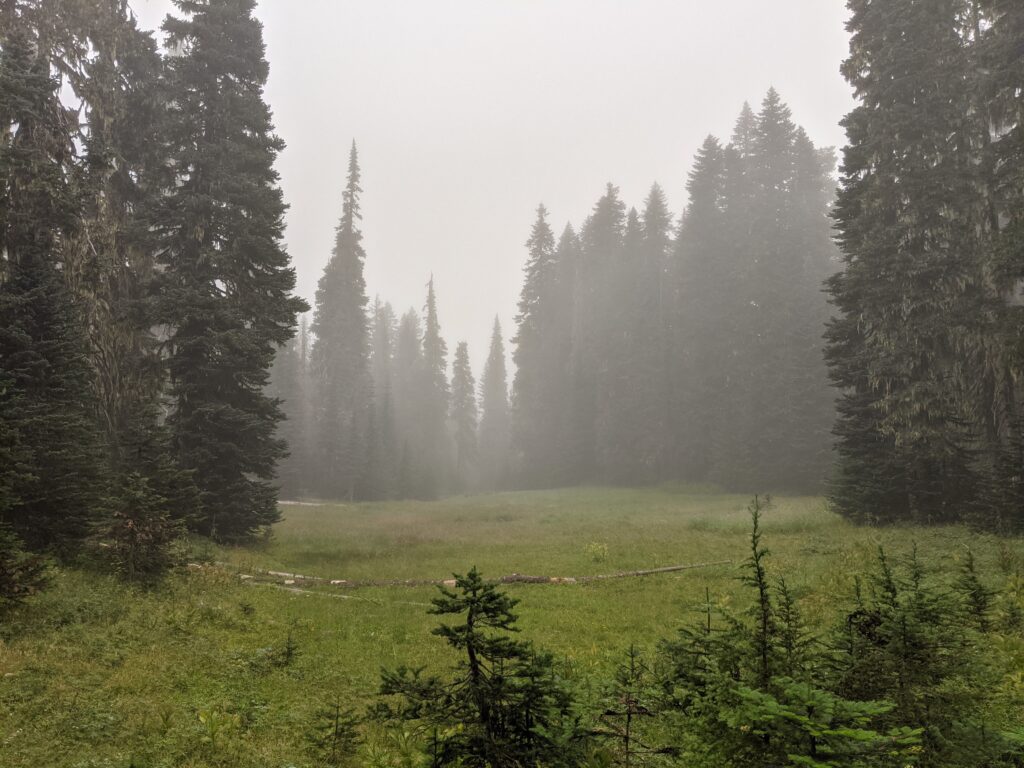
Places like Roadless Areas, vast landscapes where natural processes proceed free from excessive industrial incursion, are increasingly rare.
They are places that retain some elements of wildness. They are critically important bastions of biodiversity and some of the last remaining refuges for species with little or no other suitable habitat left.
The Surprising Impacts of Forest Roads
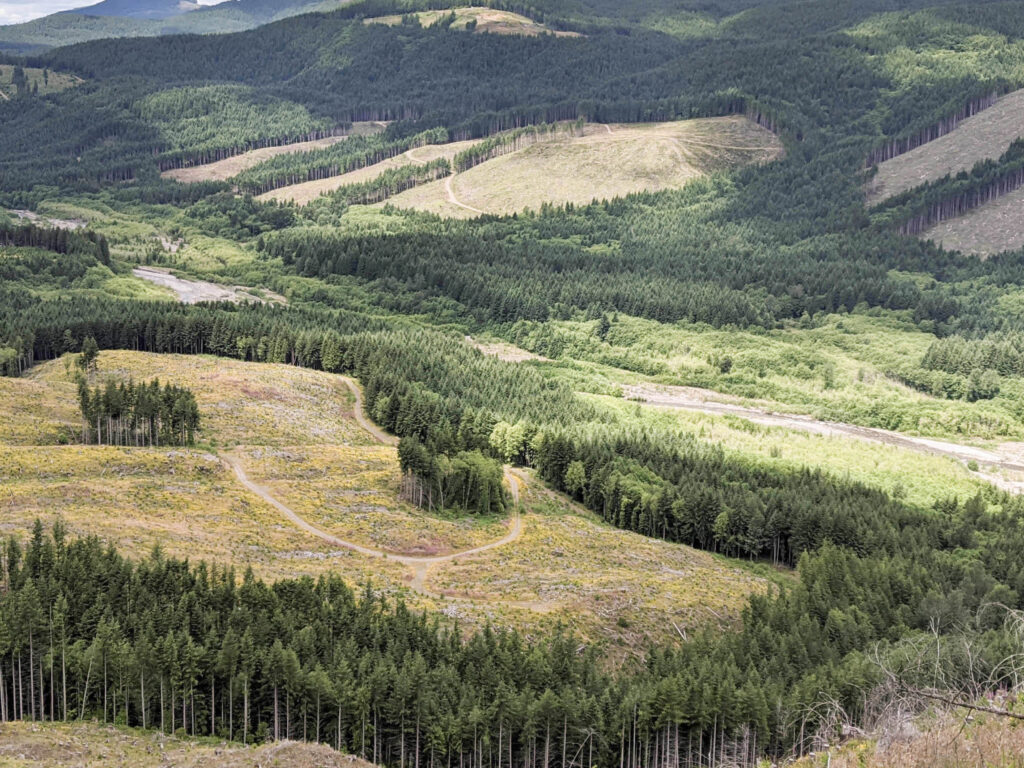
Revoking the Roadless Rule would open huge areas of national forest to new development and the construction of new roads.
Forest roads themselves have a surprising impact on the landscapes they transect.
Roadless Areas and Wildfire
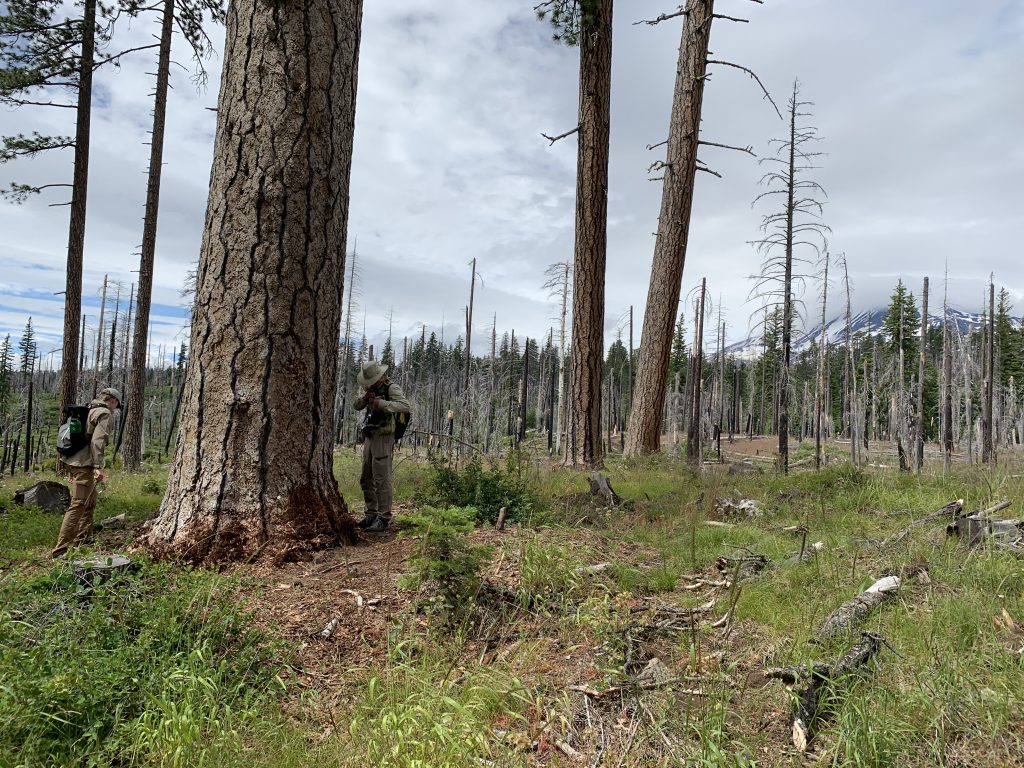
One of the primary arguments repeated by people in favor of removing Roadless Area protections is the misconception that more roads are needed to combat wildfire.
In reality, research shows that the presence of forest roads increases, rather than prevents, the number of wildfire ignitions. We already have enough forest roads (The USFS manages the largest network of roads on Earth), and the Roadless Area Conservation Rule allows officials to construct new roads to address emergency situations.
Our Work
Volunteer Science and Education
Volunteer Science and Education
Providing volunteers one-of-a-kind opportunities to learn and make a lasting impact
The Green River Valley & Mount St. Helens: No Place for a Mine
The Green River Valley & Mount St. Helens: No Place for a Mine
Our ongoing fight to stop a disasterous open-pit mine in the shadow of Mount St. Helens (Lawetlat'la)