Executive Director’s Note:
Despite overwhelming evidence and public opinion, the federal government is choosing to bury its head in the sand at a time when confronting and adapting to the realities of climate change is more important than ever.
Earlier this month, the administration repealed the 2009 Endangerment Finding, which classified climate change-causing greenhouse gases as pollutants, granting the EPA authority to regulate these emissions under the Clean Air Act. Repealing the finding fundamentally undermines the legal basis enabling the federal government to make rules and regulations to address climate change.
In addition to stripping the EPA of the ability to regulate CO2 and other greenhouse gases, the decision will likely lead to additional bad outcomes and may signal that other rollbacks are on the horizon, like a move away from climate-focused and science-based land management plans and undoing any recent progress that was made towards including consideration for carbon sequestration in timber sale negotiations.
The decision to deregulate pollutants defies the threat and the reality of climate change and its impacts. The scientific consensus is even clearer in 2026 than it was in 2009 when the Endangerment Finding was put in place: greenhouse gas emissions and climate change are a serious threat to the health and well-being of all Americans.
In the Cascades, our snowpacks are at record lows. Droughts, mega fires, and atmospheric rivers have scarred our landscapes and harmed communities. In 2024 alone, weather and climate-change-related disasters cost the United States $27 billion. As more greenhouse gases accumulate in the atmosphere, the impacts and costs of climate change will continue to rise.
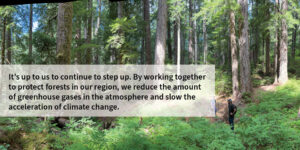
As the federal government shirks its responsibility to address climate change, Cascade Forest Conservancy continues to step up. Protected, healthy, and biodiverse forests in the Pacific Northwest slow climate change and mitigate its impacts. CFCs work to safeguard forests in our region—especially old-growth and mature stands that capture and store vast amounts of carbon—reduce the amount of greenhouse gases in the atmosphere, slowing the acceleration of climate change.
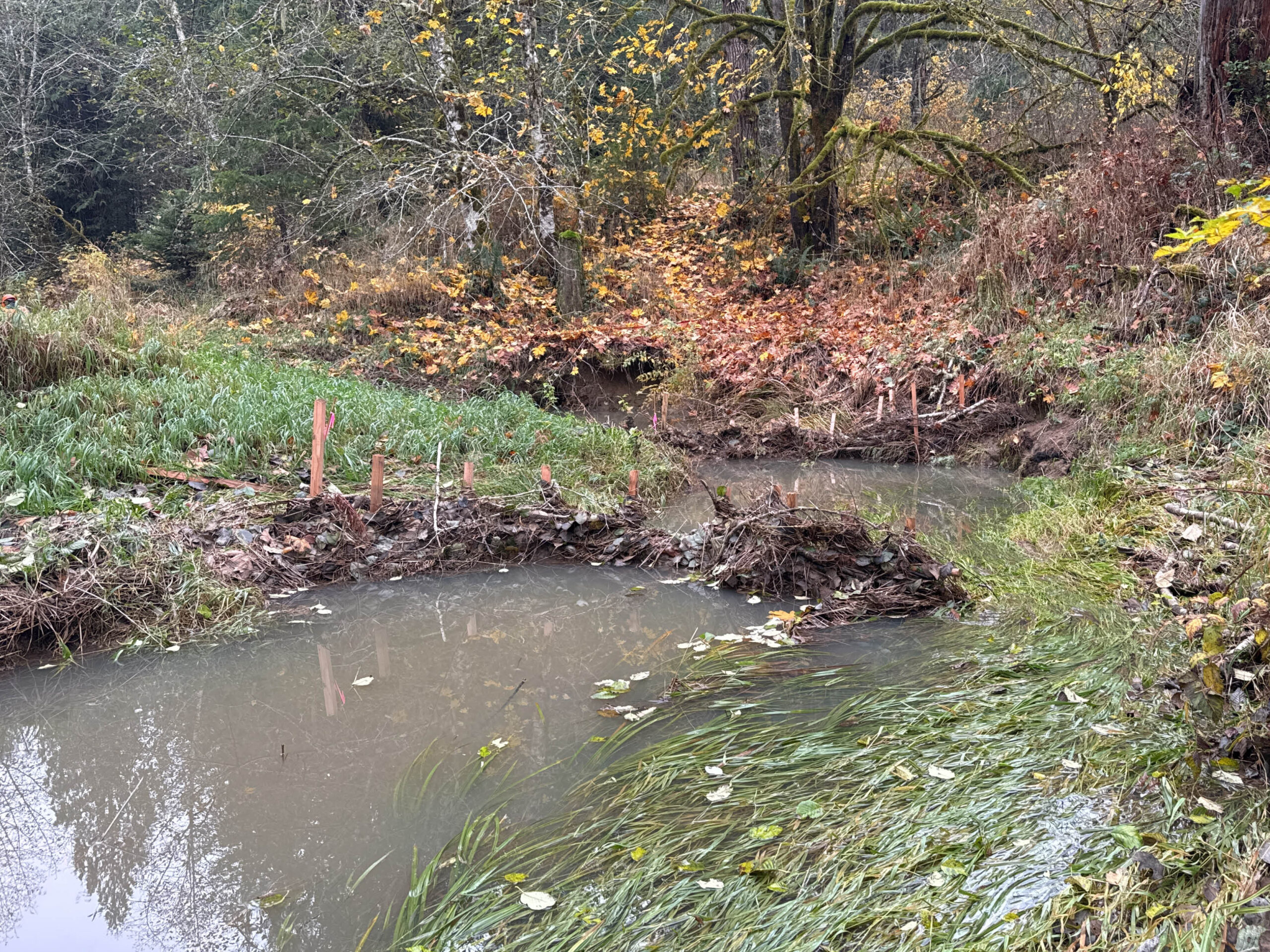
Additionally, our work to restore forest and aquatic habitats is easing climate change impacts by making ecosystems and communities in the southern Washington Cascades more resilient. Restoring salmon habitats, supporting beaver recovery, combating the spread of invasive species, restoring fire-impacted forests, and safeguarding old-growth Douglas firs from insect infestations are all making local ecosystems and the life they support healthier and better able to adapt to the challenges they are facing.
We cannot, nor will we, wait for those in power to accept their responsibility to address climate change. With you, our inspiring community of supporters, friends, partners, and volunteers, we will keep holding decision-makers accountable and protecting our forests.
-
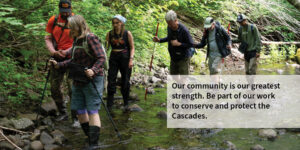
- Volunteer with CFC: Come make a difference out in the field! Many of our volunteer opportunities fill up fast. Be the first to know about new volunteer opportunities by adding your name and email to our volunteer update list.
-
- Raise your voice: Your voice makes a difference when you use our talking points to submit comments, contact decision makers, or sign support letters. Stay tuned for action alerts, like the one below—and join us in speaking out for conservation and public lands.
-
- Help us spread the word about the importance of roadless areas. The Gifford Pinchot National Forest is home to a number of Inventoried Roadless Areas, including the Dark Divide, Siouxon, and Silver Star Roadless Areas. Today, the rule that protects these strongholds of wildlife habitat and backcountry is under threat. We’re looking for spokespeople to help us in our outreach. Contact our Communications Manager, Bryn (bryn@cascadeforest.org) if you’d be willing to talk to us about your experiences in Inventoried Roadless Areas.
- Support our work: Cascade Forest Conservancy is strong because of support from people like you. To help us prepare for the work ahead in 2026, make a donation of $6, $20, or $26 today.
NEWS & UPDATES:
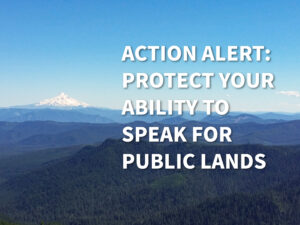
The Department of Agriculture is again trying to curtail the public’s ability to meaningfully participate in decisions impacting federal lands..
Proposed changes would significantly limit the amount of time we have to comment on plans and decisions for timber sales and other land management projects managed by the US Forest Service and limit the amount and type of information we can include in public processes.
Many of the Environmental Assessments, Environmental Impact Statements, and Decisions we comment on are complex in nature. Ground truthing and completing a detailed review of the ecological, legal, and practical impacts of land management plans (sometimes at a stand-by-stand level of detail) requires significant time and resources.
Accountability, local knowledge, careful review, and public feedback help the agency make better decisions. These changes are unacceptable and will lead to worse decision-making.
Please join us in fighting these changes by submitting a comment by March 9th.
TAKE ACTION:
Write comments using CFC’s talking points using the link below, or comment directly on the federal registrar’s notice here.
Comment using CFC’s Talking Points
Field Season is Underway!
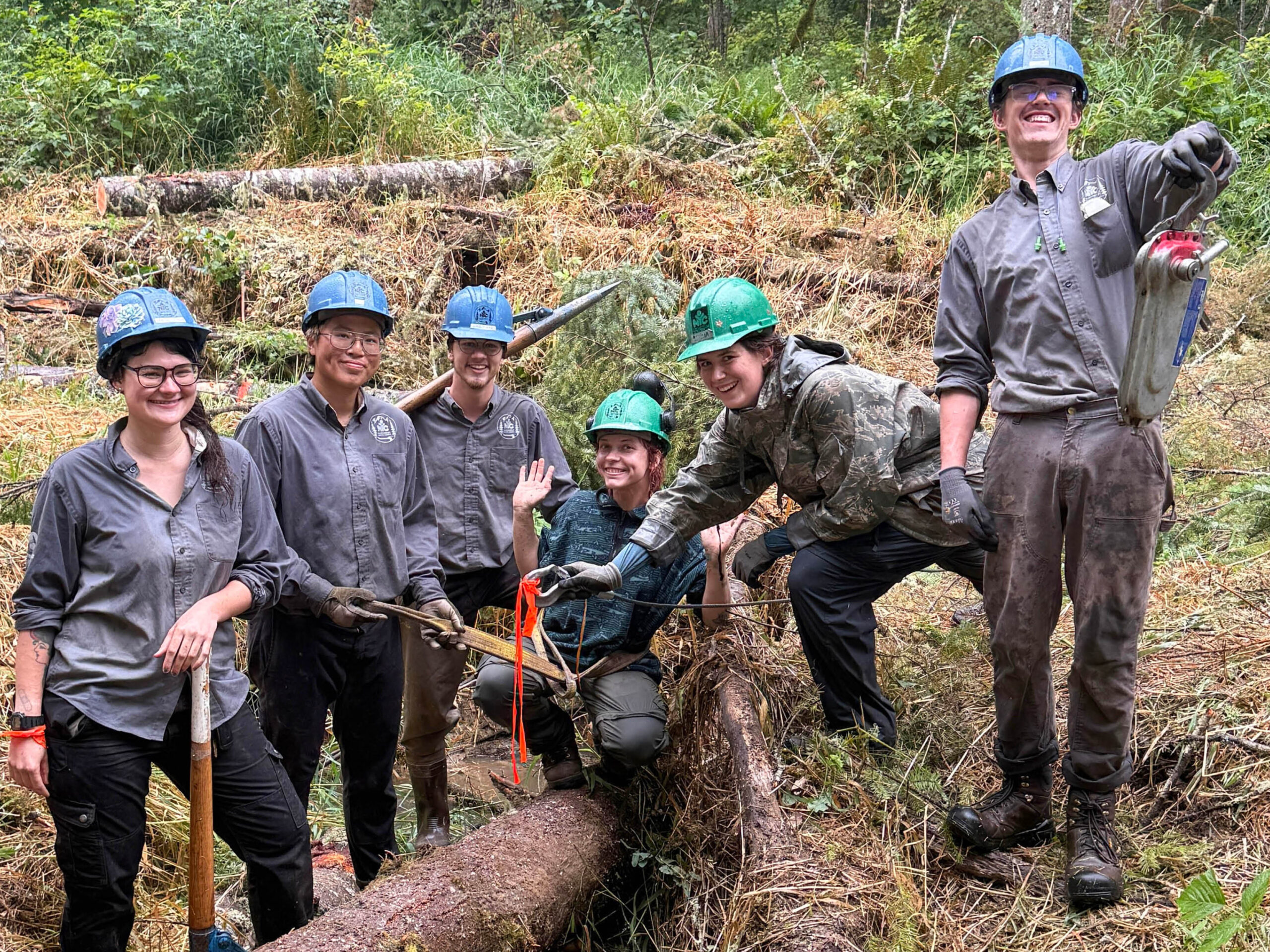
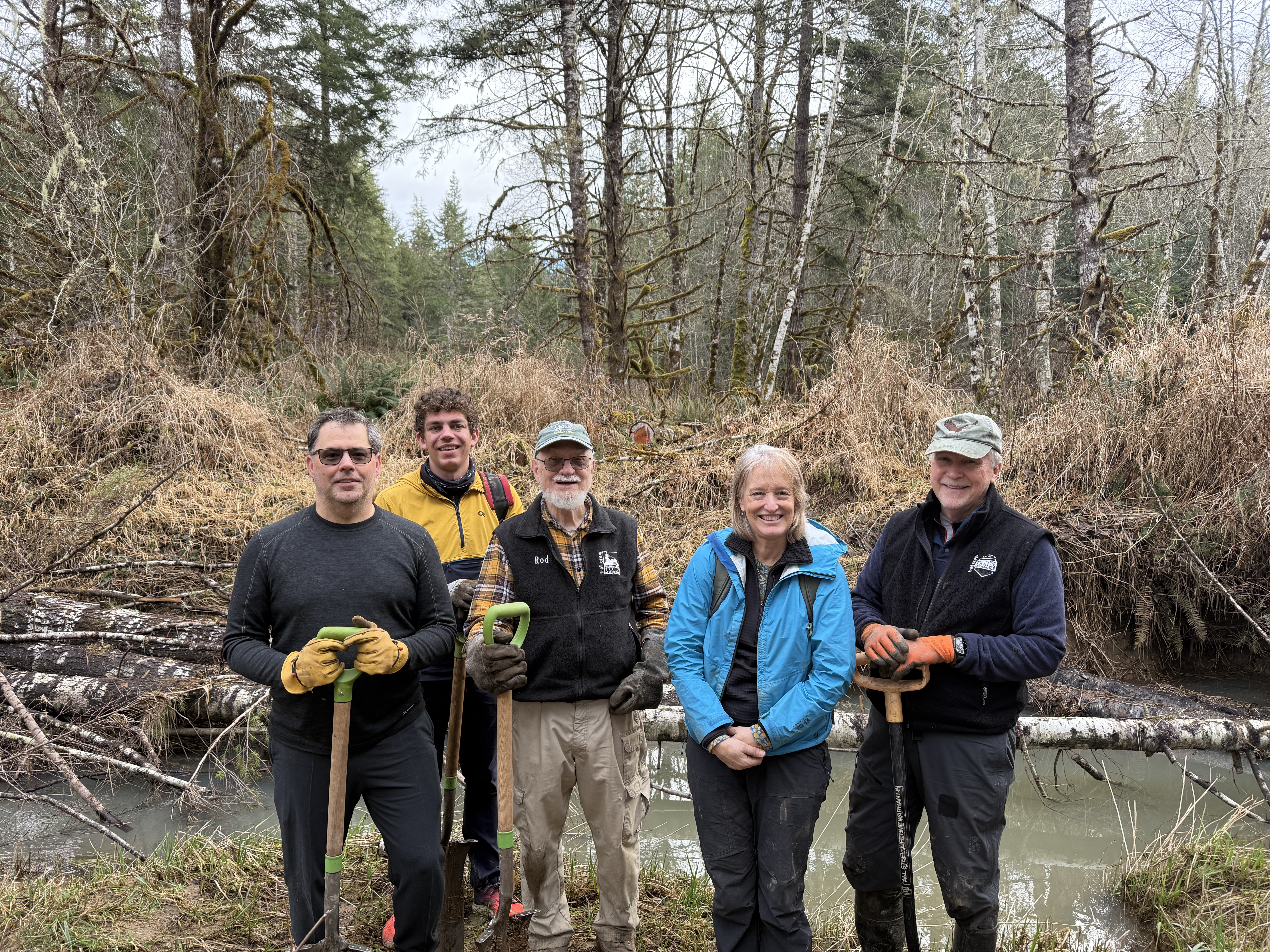
We kicked off the 2026 volunteer season with a restoration planting trip. Volunteers planted 200 trees at two sites along Salmon Creek, a tributary of the Cowlitz River. The western redcedar, Douglas fir, and big leaf maple they planted along the stream bank will increase habitat diversity and provide shade, which will help cool water temperatures. Since November, volunteers and Northwest Youth Corps members have planted over 1,000 trees at these sites!
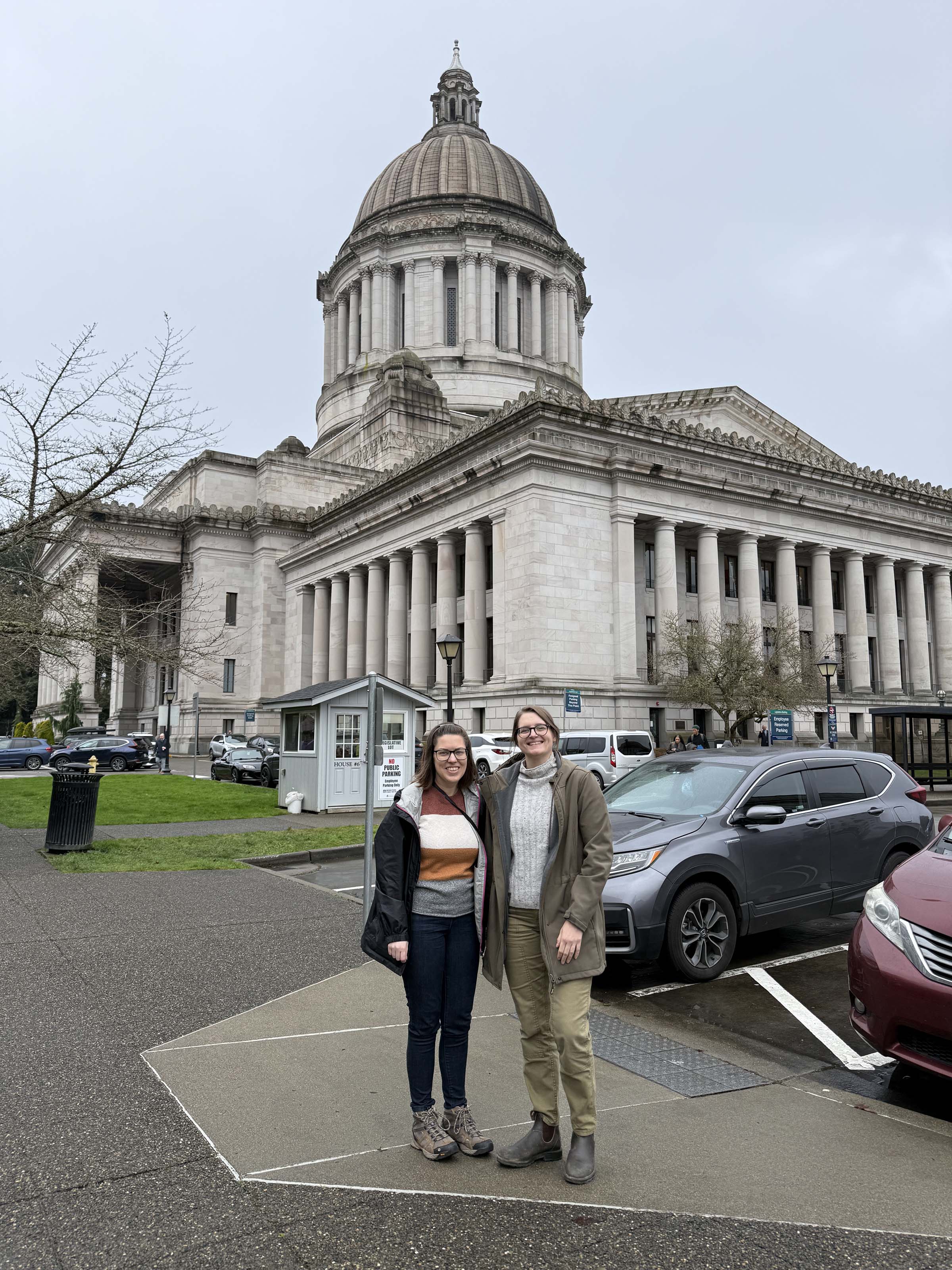
CFC Staff Traveled to Olympia
Our Policy Manager and Science and Stewardship Manager went to Olympia show support for Alexa Whipple and Dr. Jonah Piovia Scott, who spoke about the benefits of beavers and their intersection with humans at a Work Session during the Senate Agriculture and Natural Resources Committee hearing on Jan 29th.
While there, they met with Senator Annette Cleveland’s team and Representative Sharon Wylie, both of whom are in the 49th District. They spoke about:
-
- Funding the Department of Natural Resources’ Wildfire Response, Forest Restoration, and Community Resilience Account (HB 1168), which plays a critical role in preparing communities for wildfire and broader climate impacts.
-
- Funding the Trust Land Transfer (TLT) program to support additional projects from last session’s approved list. The TLT program helps DNR to transfer low-revenue lands to other ownership types, like habitat conservation, and replace them with new income-producing lands, a real win-win!
-
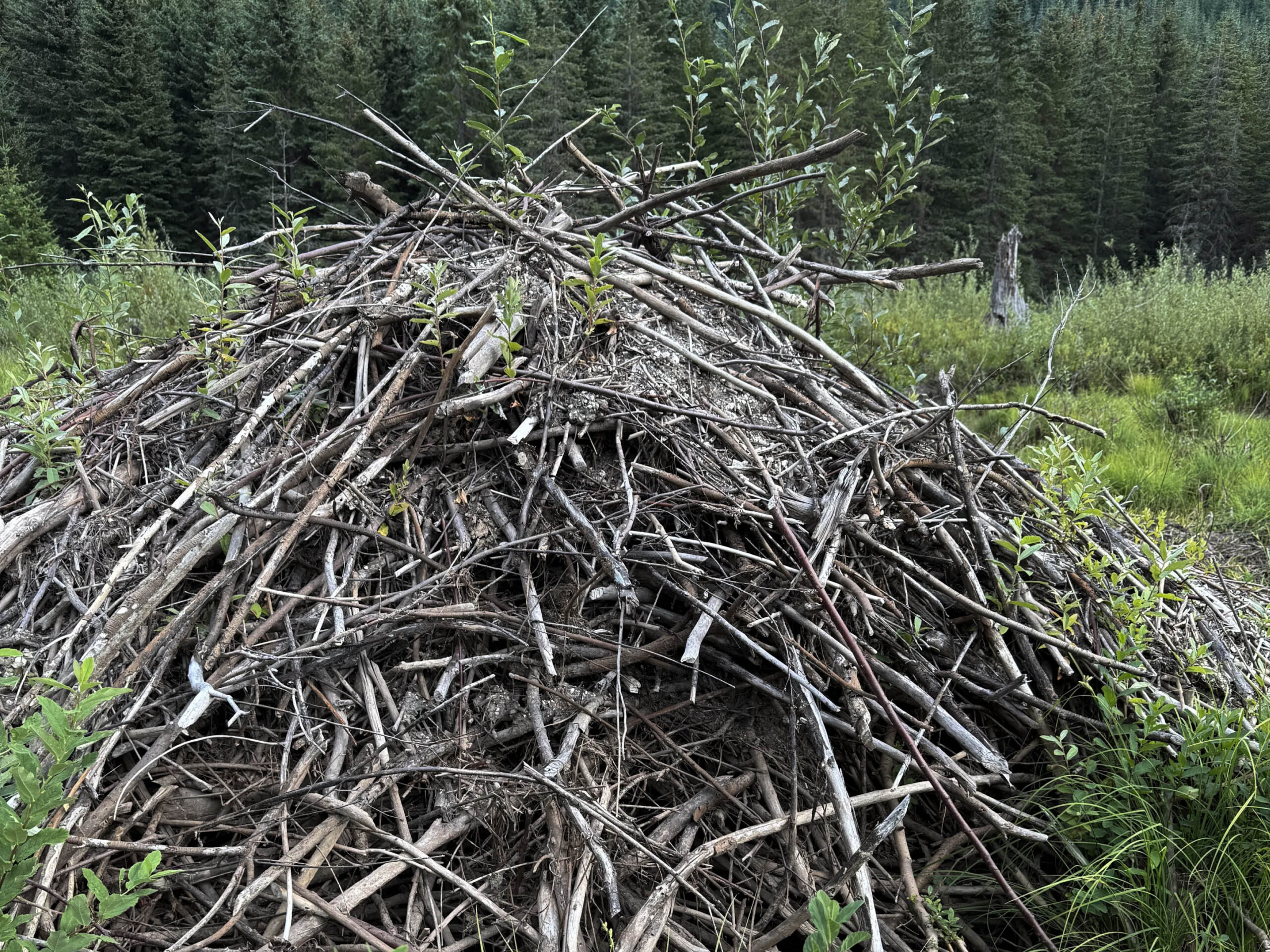
- The importance of beavers and the role they play in supporting the health and function of watersheds, particularly for salmon recovery and climate resilience. We let them know about the Washington Beaver Working Group and how we are always working to make beaver management more effective and streamlined across the state, while working to protect beavers and their habitats. We also touched on the benefits of beavers in wildfire-prone areas.
|
Save the Date: Washougal Beaver Bash is Coming April 18! |
|
Get ready to celebrate International Beaver Day in Washougal! The Washougal Beaver Bash will be a free, family-friendly event featuring art projects, live music, and exhibitor booths with beaver experts ready to share knowledge about our favorite ecosystem engineers! |