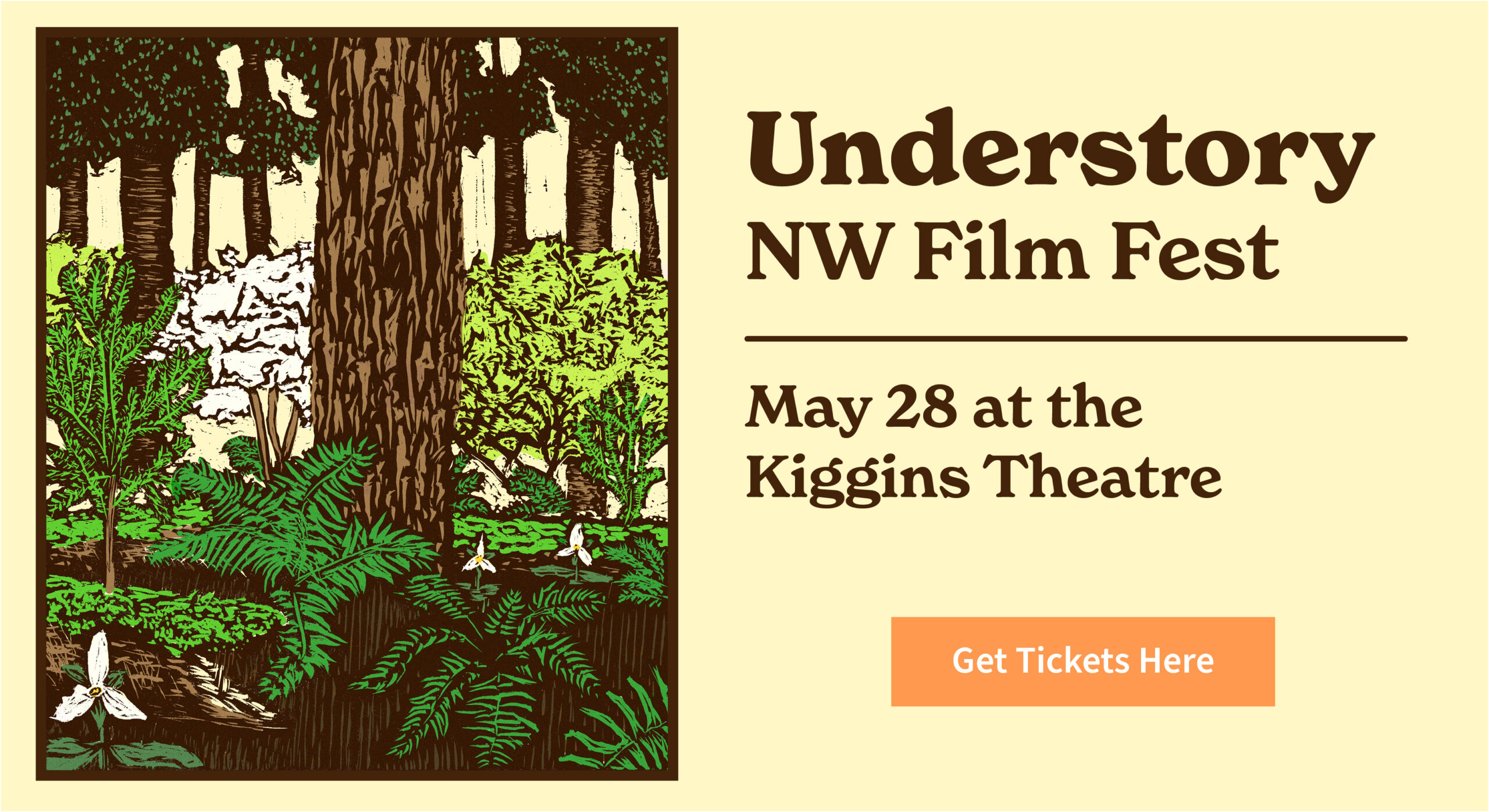
a night featuring stories of adventure, conservation,
and our connection to the natural world
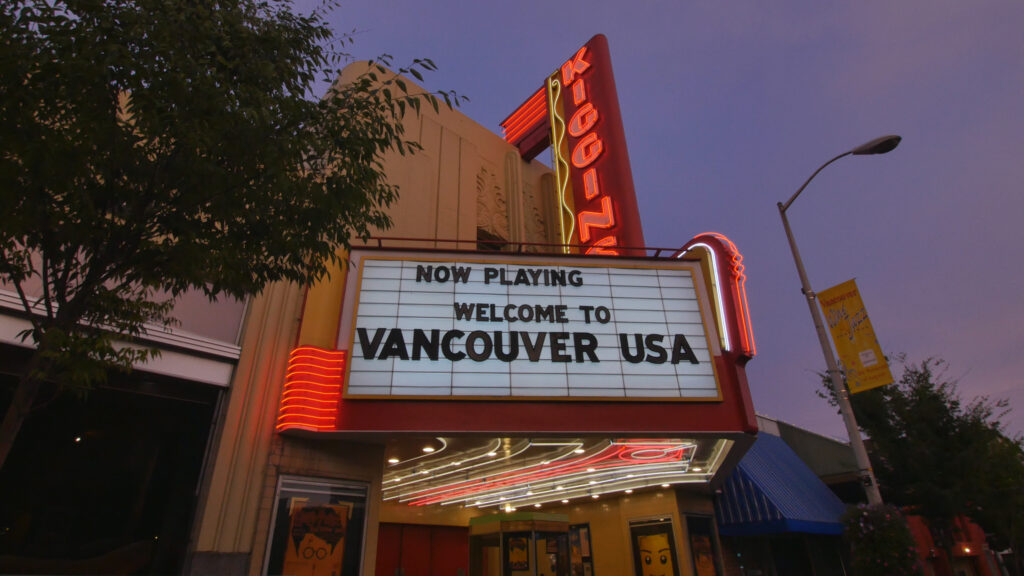
at the historic
kiggins theatre
in downtown vancouver
Thursday MAY 28
6:30 pm doors at 5:30 pm
Featuring:
The Grand Salmon
Following three women on a 78-day paddling expedition, The Grand Salmon explores the effects of four dams on the Lower Snake River and their impact throughout the watershed on rapidly dwindling wild salmon populations. For over 1,000 miles, these women navigate the same waterways wild salmon have for generations, connecting the source of the Salmon River to the Pacific Ocean. From high water to extreme temperatures, this team not only faces the same natural challenges the fish do each year, but brings viewers along to experience what the construction of these dams has done to our ecosystems and wildlife.
Speaking Eep!
Speaking Eep! follows a team of women scientists working to conserve one of North America’s most climate-sensitive species: the American pika. Using a combination of cutting-edge AI technology and traditional research techniques, population biologist Dr. Chris Ray and PhD student Rachel Billings hope to decode the iconic “eeps” of pika language and determine how communication between subspecies might help separate populations of pikas come together to adapt in the face of a warming climate.
The Lost Fish
In the heavily dammed Columbia River Basin, millions have been spent on life support systems for Pacific Salmon. Yet, the little-known Pacific Lamprey has slipped through the cracks of conservation efforts and is now lost from most of its historic range in the Columbia Basin. Desperately, members of the Nez Perce, Umatilla, Yakama and Warm Springs Tribes have taken the management of Pacific lamprey into their own hands and are now fighting to bring political attention and social will to the struggle of a lost fish.
Living Legacies
Washington state’s Department of Natural Resources harvests and sells timber to fund Washington counties, junior tax districts, schools, penitentiaries, and government. But when their harvest plans catch the attention of local communities whose lives would be affected, a statewide movement is born to protect a special new classification of forests – Legacy Forests.