Restoration and Forest Health Surveys

[vc_row row_type=”row” use_row_as_full_screen_section=”no” type=”grid” angled_section=”no” text_align=”left” background_image_as_pattern=”without_pattern” css_animation=””][vc_column][vc_empty_space height=”35px”][/vc_column][/vc_row][vc_row row_type=”row” use_row_as_full_screen_section=”no” type=”full_width” angled_section=”no” text_align=”left” background_image_as_pattern=”without_pattern” css_animation=””][vc_column][vc_single_image image=”94″ img_size=”full” alignment=”center” qode_css_animation=””][/vc_column][/vc_row][vc_row row_type=”row” use_row_as_full_screen_section=”no” type=”grid” angled_section=”no” text_align=”left” background_image_as_pattern=”without_pattern” css_animation=””][vc_column][vc_empty_space height=”75px”][vc_column_text]

Restoration and Forest Health Surveys

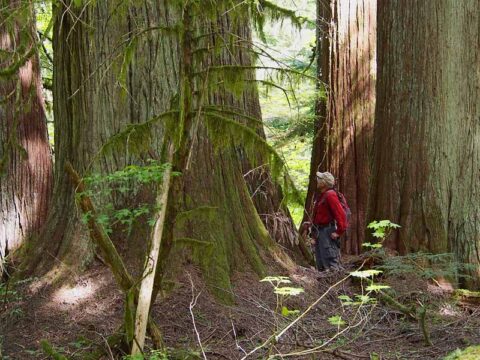
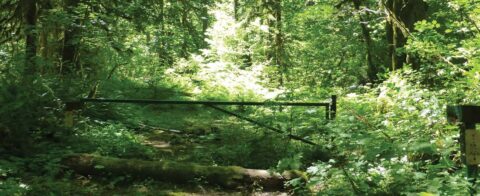
[/vc_column_text][vc_separator type=”normal” color=”#444444″ thickness=”3″][vc_empty_space height=”75px”][vc_column_text]We have had the opportunity to tour some beautiful areas of the National Forest. We’re visiting sites proposed for thinning in order to collect information and create documentation for our efforts to encourage ecological and sustainable forest management. Our field season for this work, and other projects, is ramping down and we are beginning the process of compiling data, analyzing results, and setting the stage for the next steps of projects. We have a lot on our work plan for this winter and we are excited to spend the winter days working hard to protect and restore the wonderful Gifford Pinchot National Forest.[/vc_column_text][vc_empty_space height=”35px”][vc_accordion active_tab=”false” collapsible=”yes” style=”boxed_accordion”][vc_accordion_tab title=”Sign up for a trip here!”]

Name(Required)
Address(Required)
Are you 18 years or older?(Required)
Emergency Contact(Required)
Select trips you will attend(Required)
limit three (3) selections per volunteer
Are you comfortable hiking 3+ miles and off-trail? (e.g. through brush, over downed logs, on uneven ground)?(Required)
Are you comfortable taking your car on unpaved forest roads?(Required)
Note: This is not required, just convenient for some trips.
No skills or experience are required.
Have you received a COVID-19 vaccine?
Note: We do not require that volunteers are vaccinated, but we ask unvaccinated volunteers to wear masks when working near CFC staff and other volunteers.
[/vc_accordion_tab][/vc_accordion][vc_row_inner row_type=”row” type=”grid” text_align=”left” css_animation=””][vc_column_inner][vc_gallery interval=”0″ images=”1593,1594,1595″ img_size=”full” onclick=””][/vc_column_inner][/vc_row_inner][vc_empty_space height=”75px”][/vc_column][/vc_row][vc_row row_type=”row” use_row_as_full_screen_section=”yes” type=”grid” angled_section=”no” text_align=”left” background_image_as_pattern=”without_pattern” css_animation=”” css=”.vc_custom_1465592094531{background-color: #96d1ae !important;}”][vc_column][vc_row_inner row_type=”row” type=”grid” text_align=”left” css_animation=””][vc_column_inner][vc_empty_space height=”125px”][latest_post_two number_of_columns=”3″ order_by=”date” order=”ASC” display_featured_images=”yes” number_of_posts=”3″][vc_empty_space height=”75px”][/vc_column_inner][/vc_row_inner][/vc_column][/vc_row]
Lost Creek: An Ancient Forest in Gifford Pinchot National Forest

[vc_row row_type=”row” use_row_as_full_screen_section=”no” type=”grid” angled_section=”no” text_align=”left” background_image_as_pattern=”without_pattern” css_animation=””][vc_column][vc_column_text]

By Darryl Lloyd

[/vc_column_text][vc_empty_space height=”35px”][/vc_column][/vc_row][vc_row row_type=”row” use_row_as_full_screen_section=”no” type=”full_width” angled_section=”no” text_align=”left” background_image_as_pattern=”without_pattern” css_animation=””][vc_column][vc_single_image image=”94″ img_size=”full” alignment=”center” qode_css_animation=””][/vc_column][/vc_row][vc_row row_type=”row” use_row_as_full_screen_section=”no” type=”grid” angled_section=”no” text_align=”left” background_image_as_pattern=”without_pattern” css_animation=””][vc_column][vc_empty_space height=”75px”][vc_column_text]

Lost Creek: An Ancient Forest in Gifford Pinchot National Forest

[/vc_column_text][vc_separator type=”normal” color=”#444444″ thickness=”3″][vc_empty_space height=”75px”][vc_column_text]THE LARGEST known trees in the Columbia Gorge area are found in a 170-acre ancient forest remnant in the Gifford Pinchot National Forest in an undisclosed location north of the Columbia River Gorge Scenic Area boundary. Here you’ll find western redcedars over 9 feet in diameter, Douglas firs up to 8.5 feet and old-growth western hemlocks on the hillsides. On the forest floor is a rich mix of botanical diversity and small streams—a functioning ancient forest ecosystem that relatively few people know about.
The Lost Creek stand is a very rare gem. It’s a magical, amazing and truly wild place. Much of the area has been selectively logged, probably back in the 1970s. Fortunately, the biggest trees were not logged, judging from the size of old stumps. A major wildfire had burned through the area, possibly in the early or mid-1800s. Most of the largest Douglas firs survived the fire, but burned hulks of giant cedars are a reminder of its high intensity.
My twin brother, Darvel, and I first explored the area this spring, but others have quietly known about it for decades. The late Russ Jolley visited the forest many times and kept it a secret, except to a select group of friends.
The area was threatened by a timber sale about 20 years ago. When Russ Jolley found out, he engaged environmental activist friends—including Susan Saul, Jay Letto and leaders of Friends of the Columbia River Gorge—to fight and appeal the sale. He showed the area to his select group and then swore everyone to secrecy about its location. Their appeal to the Forest Service was successful in stopping the sale. A few years later, the Northwest Forest Plan was adopted. However, as I’ll explain at the end, the old-growth of Lost Creek received no protection under the plan.
Russ Jolley dedicated his life to protecting places, especially in the Columbia Gorge. He died in 2011 at the age of 88. He was “one of the Northwest’s most respected wildflower experts and tenacious conservationists,” according to Katy Muldoon, who wrote a tribute in The Oregonian.

The Russ Jolley Fir is a magnificent Douglas fir that was unofficially measured at 8 feet 7 inches in diameter. Photo courtesy of Darryl Lloyd.

I think it’s fitting to name the largest known tree in the ancient forest—and indeed, the Columbia Gorge area—as the “Russ Jolley Fir.” It’s a magnificent Douglas fir that we unofficially measured at 8 feet 7 inches in diameter (dbh). It has a healthy, complex crown and appears to exceed 250 feet in height. We plan to get a better measure of its height with a clinometer in a few weeks.
The Lost Creek forest deserves permanent protection for its “rare ecological integrity” (in the words of a friend). Unfortunately, the area is currently classified as “matrix” under the Northwest Forest Plan. Matrix lands are designated for timber harvest, with no limits on the size of trees that can be cut—a compromise and major limitation of the plan. According to small-scale maps drawn by the Forest Service in the 1990s, the area is just outside the boundary of the Wind River late-successional reserve, where old-growth forest ecosystems are protected.
As most GPTF members know, the Northwest Forest Plan is up for revision. Who knows what the future will hold for old-growth protection under a revised plan? Perhaps the Forest Service can be convinced to create a research natural area for Lost Creek, or to expand the late successional reserve boundary to include the area. I believe, however, that the only permanent protection would be designated wilderness within the National Wilderness Preservation System. In any case, I hope that we can all work together to treasure and preserve this magnificent place.[/vc_column_text][vc_empty_space height=”35px”][vc_row_inner row_type=”row” type=”grid” text_align=”left” css_animation=””][vc_column_inner][/vc_column_inner][/vc_row_inner][vc_empty_space height=”75px”][/vc_column][/vc_row][vc_row row_type=”row” use_row_as_full_screen_section=”yes” type=”grid” angled_section=”no” text_align=”left” background_image_as_pattern=”without_pattern” css_animation=”” css=”.vc_custom_1465592094531{background-color: #96d1ae !important;}”][vc_column][vc_row_inner row_type=”row” type=”grid” text_align=”left” css_animation=””][vc_column_inner][vc_empty_space height=”125px”][latest_post_two number_of_columns=”3″ order_by=”date” order=”ASC” display_featured_images=”yes” number_of_posts=”3″][vc_empty_space height=”75px”][/vc_column_inner][/vc_row_inner][/vc_column][/vc_row]
Plan for exploratory drilling near Mount St. Helens revived

[vc_row row_type=”row” use_row_as_full_screen_section=”no” type=”grid” angled_section=”no” text_align=”left” background_image_as_pattern=”without_pattern” css_animation=””][vc_column][vc_column_text]

By Dameon Pesanti, The Columbian

[/vc_column_text][vc_empty_space height=”35px”][/vc_column][/vc_row][vc_row row_type=”row” use_row_as_full_screen_section=”no” type=”full_width” angled_section=”no” text_align=”left” background_image_as_pattern=”without_pattern” css_animation=””][vc_column][vc_single_image image=”94″ img_size=”full” alignment=”center” qode_css_animation=””][/vc_column][/vc_row][vc_row row_type=”row” use_row_as_full_screen_section=”no” type=”grid” angled_section=”no” text_align=”left” background_image_as_pattern=”without_pattern” css_animation=””][vc_column][vc_empty_space height=”75px”][vc_column_text]

Canadian Company Applies for Mining Permissions

[/vc_column_text][vc_separator type=”normal” color=”#444444″ thickness=”3″][vc_empty_space height=”75px”][vc_column_text]

To the chagrin of environmental groups, a Canadian mining company has renewed its efforts to perform exploratory drilling in the Green River valley north of Mount St. Helens.
The U.S. Forest Service and the Bureau of Land Management on Jan. 6 released a modified environmental assessment for the Ascot Resources Goat Mountain exploratory drilling permit application. The move attracted attention from environmental and conservation groups and U.S. Sen. Patty Murray, D-Wash.
The Gifford Pinchot Task Force, the group that previously sued to block the drilling, claims the new document is identical to the one struck down in court in July 2014, in which Ascot detailed plans to search for copper, silver, gold and other minerals by drilling 63 holes at 23 different sites just north of the Mount St. Helens National Volcanic Monument boundary near the headwaters of the Green River. That proposal had been approved by both the Forest Service and the Bureau of Land Management in 2012.
Gifford Pinchot Task Force Executive Director Matt Little said the group wasn’t surprised to see the permit surface again.
“This is that next round where they are attempting to respond to the judges’ orders, I’m guessing to make a more complete application,” Little said.
He acknowledged that the permits are only for exploratory drilling, not the mine itself, but said the agencies were not seeing the entire picture.
“It seems like the agencies have blinders on when they’re reviewing only one portion with the drilling permit, and not the project overall,” he said.
The task force tried unsuccessfully to stop the drilling with an administrative appeal, then was victorious in U.S. District Court in Oregon when Judge Marco A. Hernandez found a 2012 analysis and approval of the plan to be inadequate and in violation of the National Environmental Policy Act. The exploratory drilling never happened.
In the fall of 2014, Ascot, the bureau and the Forest Service filed notice to appeal but dropped the motion that December.
Robert Evans, chief financial officer and director of Ascot Resources, said that the bureau and the Forest Service worked methodically for more than a year to address the issues identified by the court, but he still expects pushback from the task force.
“We anticipate that the Gifford Pinchot Task Force will do whatever it can to delay this project, however we continue to be heartened by the strong support we receive from the people of Lewis and Skamania counties,” Evans wrote in an e-mail.
Indeed, Little said the group will rally public opposition to the project, but they won’t stop there.
“If they approve this, then we’ll consider our legal options at that point,” he said.
Public comment
The final day for public comment on the environmental assessment is Feb. 4. However, the task force, 20 other conservation and environmental groups and Murray sent letters to the Oregon and Washington state offices of the Bureau of Land Management asking for an extension to the public comment period.
“An extension of the comment period to the full 90 days allowed by federal regulations would ensure interested stakeholders have ample opportunity to examine potential impacts and generate comprehensive comments regarding the proposal,” Murray wrote in a letter dated Jan. 22.
The Forest Service purchased the land for the proposed project with money from the Land and Water Conservation Fund. The Washington Department of Fish & Wildlife designated the Green River a wild steelhead gene bank in March 2014.

[/vc_column_text][vc_empty_space height=”35px”][vc_row_inner row_type=”row” type=”grid” text_align=”left” css_animation=””][vc_column_inner][vc_gallery interval=”0″ images=”164,161,145″ img_size=”full” onclick=””][/vc_column_inner][/vc_row_inner][vc_empty_space height=”75px”][/vc_column][/vc_row][vc_row row_type=”row” use_row_as_full_screen_section=”yes” type=”grid” angled_section=”no” text_align=”left” background_image_as_pattern=”without_pattern” css_animation=”” css=”.vc_custom_1465592094531{background-color: #96d1ae !important;}”][vc_column][vc_row_inner row_type=”row” type=”grid” text_align=”left” css_animation=””][vc_column_inner][vc_empty_space height=”125px”][latest_post_two number_of_columns=”3″ order_by=”date” order=”ASC” display_featured_images=”yes” number_of_posts=”3″][vc_empty_space height=”75px”][/vc_column_inner][/vc_row_inner][/vc_column][/vc_row]