Executive Director’s Note:
Earth Month offers us an opportunity to celebrate and reflect on the beauty of our awe-inspiring, surprising, and intricately interconnected living world. In today’s tumult of deepening global conflicts and growing uncertainties, I find Earth Month’s invitation to protect and honor the life, landscapes, and processes that sustain and connect us more critical and urgent than ever.
Celebrate Earth Month with Cascade Forest Conservancy
Keep reading this month’s newsletter to discover ways you can celebrate Earth Month with CFC. From taking steps to protect the Roadless Areas, supporting effective environmental advocacy, or signing up to attend upcoming events, there are many ways to get involved and make a difference for the places you care about!
NEWS & UPDATES:
Roadless Rule Update: Communities Are Coming Together to Protect Roadless Areas
Officials in D.C. are working to rescind the Roadless Area Conservation Rule, which currently protects 30% of national forest lands, effectively safeguarding more intact wildlife habitat and backcountry than any other rule or law besides the Wilderness Act.
When the Roadless Rule was put in place in 2001, federal officials held more than 600 public meetings to provide impacted communities opportunities to voice their opinions. The officials working to repeal it have not held even one.
Current USFS leadership seem intent on implementing sweeping and unpopular changes with little or no public participation. We’re not letting that happen.
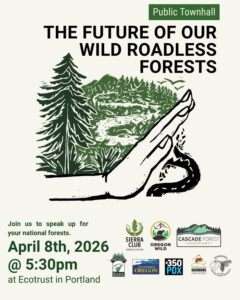
Last week, CFC and several partner organizations held our own public hearing in Portland, OR. We were joined by US Representative Andrea Salinas and nearly 100 individuals—many of whom took a turn to speak about why continuing protections for Roadless Areas matter to them.
Other opportunities to speak for the Roadless Rule
Despite the current administration’s efforts to tamp down and ignore public opinion, our voices still carry the power to effect policy for the better. As recently as last year, mass outcry helped put a stop to D.C. officials’ attempt to sell of large chunks of public lands. With the Roadless Area Conservation Rule now at risk, we need to show up once again and speak out in numbers so that our representatives, agency staff, and leadership know that the public values our remaining wild places and the rules that protect them!
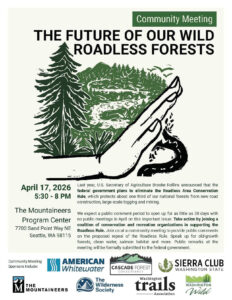
- An additional Public Town hall will be held on April 17th in Seattle. Learn more and sign up to speak here.
- In the near future, the Forest Service will open an official public comment period where you can go on record opposing the plan to remove roadless protections. We are expecting a very short comment period, so we are giving you a heads up now so you are ready to act when the time comes. It’s critical we show as much opposition as possible. Stay tuned and follow CFC on social media to learn when and how to participate in the upcoming public comment period.
Did Trump Really Dismantle the Forest Service? No. Here is What’s Really Going On.
In the last few weeks, certain online spaces have been flooded with inaccurate or misleading stories with alarming headlines claiming that the Trump Administration had ordered the dismantling of the US Forest Service.
The US Forest Service is not being dismantled, but it is undergoing a massive reorganization.
What changes are part of the USFS reorganization?
- The agency’s headquarters is being moved from Washington, D.C., to Salt Lake City.
- The agency’s 9 regional offices, which oversee individual national forests and provide administrative and technical support, will be closed and replaced with 15 State Offices that will oversee forests in their state(s) and a national network of Operation Service Centers that will provide shared administrative and technical support.
- A majority (over 70%) of research and development facilities will be shuttered.
Although the agency isn’t going away, the reorganization does raise important questions—most critically: will this action strengthen or weaken the Forest Service, and how will our ability to ensure public lands are managed in the public interest be affected?
While it is too soon to say with certainty how all this will impact national forest lands in southwest Washington, Cascade Forest Conservancy (CFC) is concerned that many elements of this reorganization will be detrimental.
We agree with the overwhelming majority of comments submitted previously opposing the move. As noted in a US Department of Agriculture summary of public comments, there are broad concerns that relocating Forest Service staff “could compromise ecological management, public access, and employee morale.”
A loss of local researchers, local leadership, local knowledge, and relationships built with Tribal governments over the years may all negatively impact land management actions in our region. CFC is keeping a close watch on these changes and will continue to advocate for ecologically sound policies as their effects become clearer in the coming months.
READ MORE
Cascade Forest Conservancy is Headed to D.C. in May
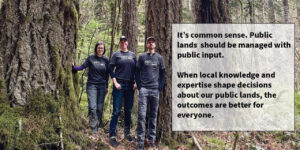
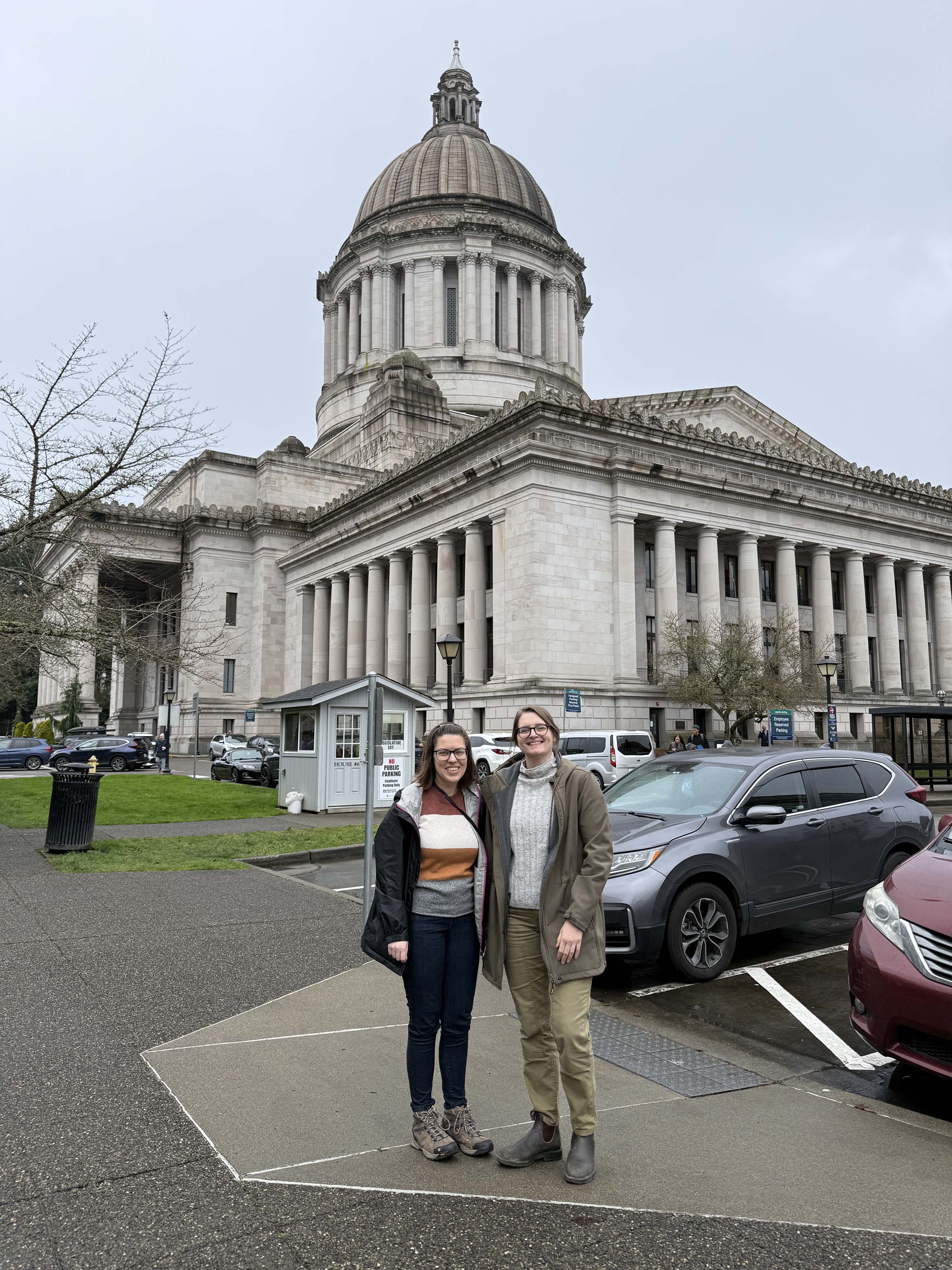
Next month, CFC’s Executive Director, Policy Manager, and Director of Programs are headed to our nation’s capital with a simple message for elected officials and agency leaders: public lands must be managed with robust public input. We think that’s common sense. When the voices of the people who know their region best shape how our public lands are cared for, the outcomes are better for everyone.
It’s a message that we think needs to be heard now more than ever. The current administration has been systematically dismantling the public’s ability to effectively influence decision-making while routinely ignoring the input they do receive.
Help us make sure our message is heard by picking up your own “PUBLIC LANDS, PUBLIC INPUT” t-shirt today. All sales will support our upcoming trip and help us have important conversations with federal decision-makers.
ORDER YOUR T-SHIRT HERE
CFC staff shared knowledge and strengthened partnerships at the Seas to Summits Annual Conference
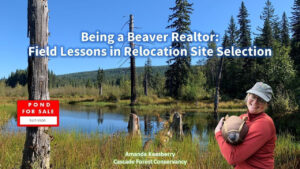
In early April, CFC’s Director of Programs, Shiloh Halsey, and Science & Stewardship Manager, Amanda Keasberry, attended the Seas to Summits Annual Conference, hosted by the Washington Chapter of The Wildlife Society and the WA-BC Chapter of American Fisheries Society in Wenatchee, WA.
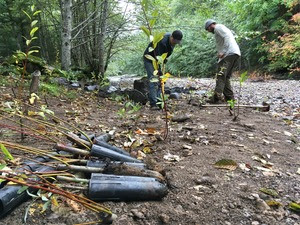
Both Shiloh and Amanda presented at the conference: Amanda spoke in the Beaver Restoration session, hosted by partners at the University of Washington, Vancouver, sharing insights from conducting hundreds of beaver habitat site assessments to identify relocation opportunities, while Shiloh presented in the Aquatic and Riparian Restoration session on partnerships and wood sourcing for the Instream Wood Bank. The conference provided a valuable opportunity to connect with others in the region doing similar work, share what we’ve been working on, and learn from the many groups advancing fish and wildlife conservation.
UPCOMMING EVENTS:
Get Early Bird Tickets to the UNDERSTORY NW FILM FEST
Thursday, May 28th, 6:30 pm
The Kiggins Theatre
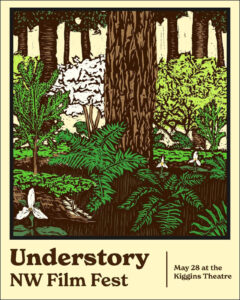
We’ve got an exciting lineup of films selected for this year’s Understory NW Film Fest, coming to Vancouver’s historic Kiggins Theater on Thursday, May 28th.
See stories celebrating the natural world and the people working to protect it while helping Cascade Forest Conservancy raise funds to support ongoing conservation work in the heart of the Cascades.
Visit the link below to preview this year’s selections and save on tickets by taking advantage of our early-bird pricing until May 14.
Celebrate Nature’s Best Wetlands Engineers at the First Annual Washougal Beaver Bash
Saturday, April 18th, 10:00 am – 2:00 pm
Reflection Plaza in Washougal
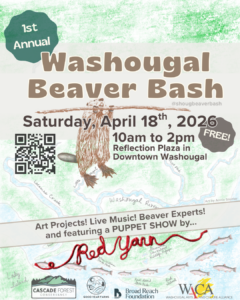
Get ready to celebrate International Beaver Day in Washougal!
The Washougal Beaver Bash is a collaboration between Cascade Forest Conservancy, Good Year Farms, and the Washougal Arts & Culture Alliance, featuring speakers and exhibitors from the Chinook Indian Nation, the Cowlitz Indian Tribe, Project Beaver, and music performances from the Washougal High School Jazz Band and local singer Breanna Larsen.
Come enjoy a free, family-friendly event featuring art projects, live music, and exhibitor booths with beaver experts ready to share “gnaw-ledge” about our favorite ecosystem engineers!
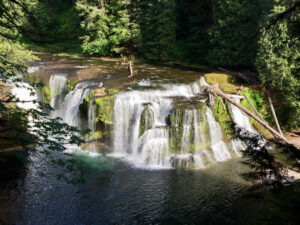


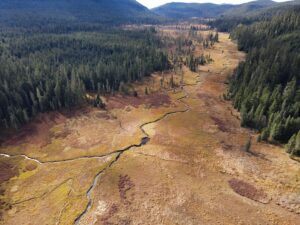


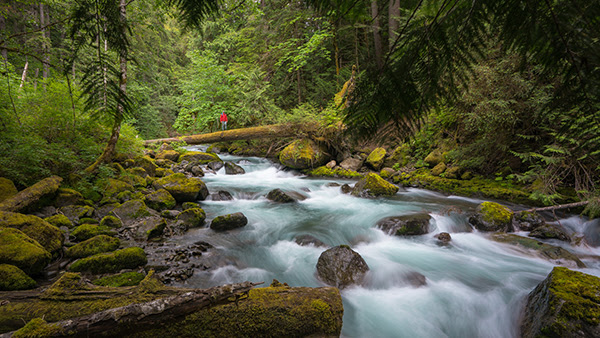
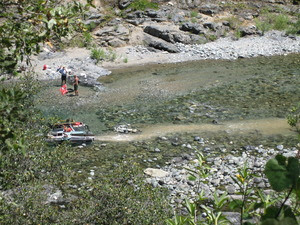 Throughout the Gifford Pinchot National Forest there is a network of rivers and streams that provide clean water for communities, fish habitat, and recreation. The Wind, Cispus, Lewis, White Salmon, and the other seemingly endless rivers and tributaries inescapably intertwine clean water with the health of the forest. Clean water is also the foundation of healthy salmon populations. Each year hundreds of millions are spent in an effort to rehabilitate salmonid populations through projects that restore habitat, improve stream shading, and remove barriers to fish passage. Suction dredge mining can undo these efforts in an instant.